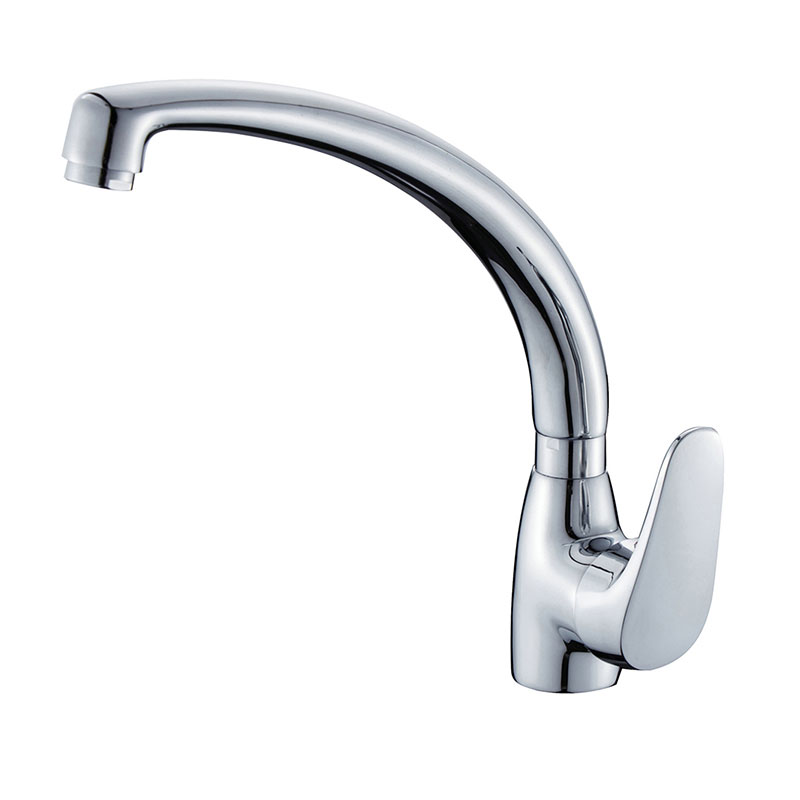
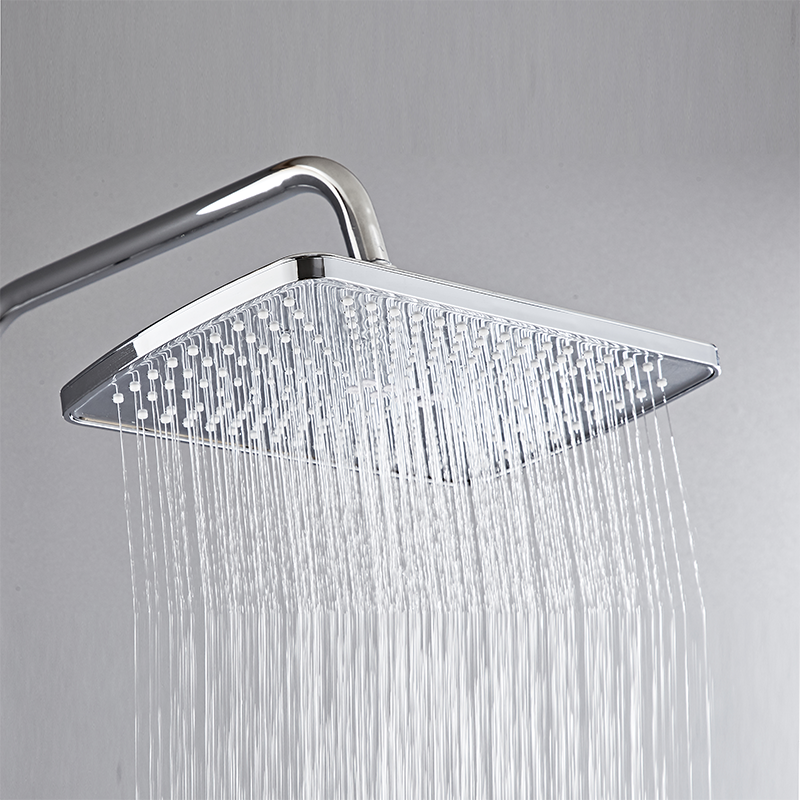
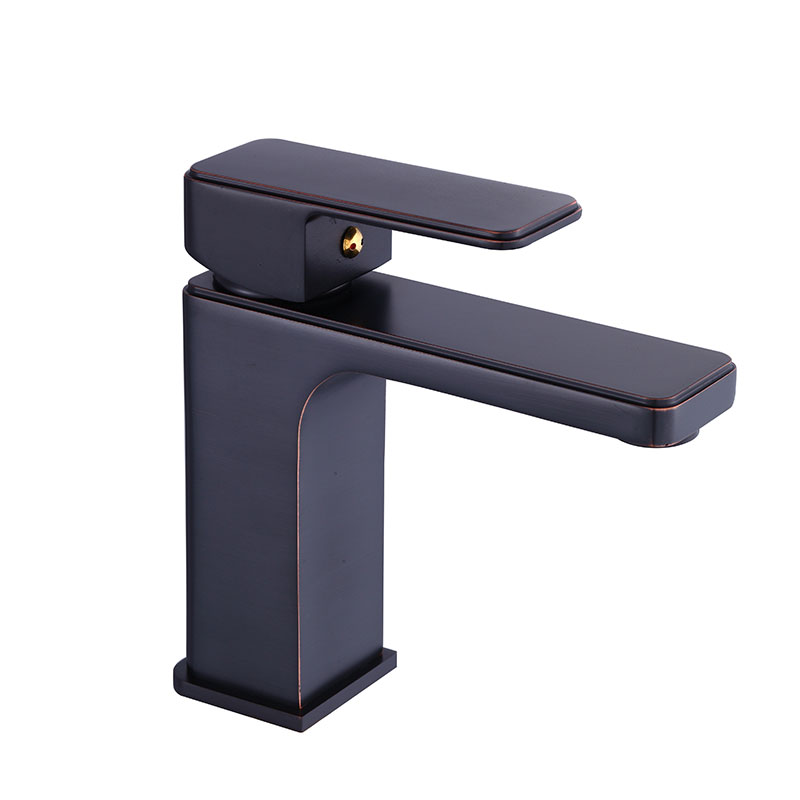
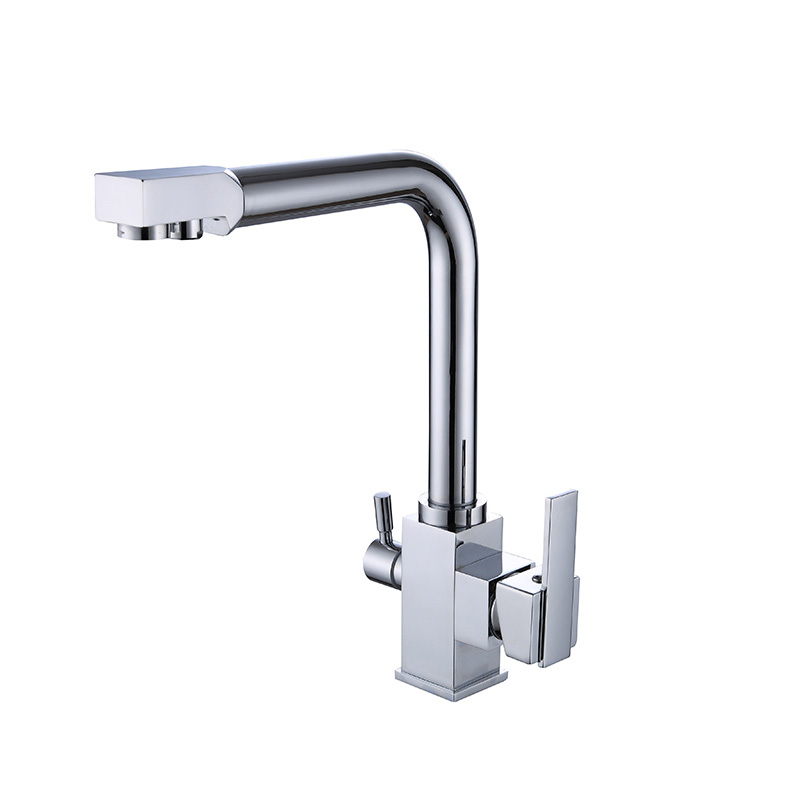
Choosing the wrong faucet material can lead to rust, leakage, or costly replacements. Many buyers struggle between a brass faucet and a stainless steel faucet. Understanding their differences helps avoid quality problems and ensures a longer-lasting investment.
Brass is a copper-zinc alloy widely used in faucets because of its durability, corrosion resistance, and easy machinability. A brass faucet is strong, long-lasting, and ideal for both residential and commercial use, making it one of the most trusted materials in the faucet industry.

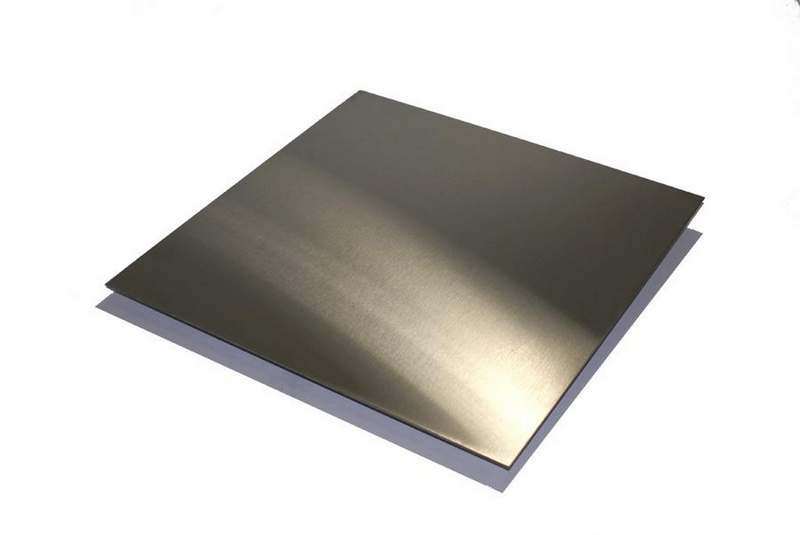
Stainless steel is an iron-based alloy containing chromium, known for excellent rust resistance and hygiene. A stainless steel faucet offers a modern look, lead-free safety, and strong durability, making it highly popular for kitchens and environmentally conscious buyers.
Now let’s compare both materials in detail, so you can confidently choose the best faucet material for your market and customers.
Which Is Better, Brass or Stainless Steel Faucet?
1. Performance and durability
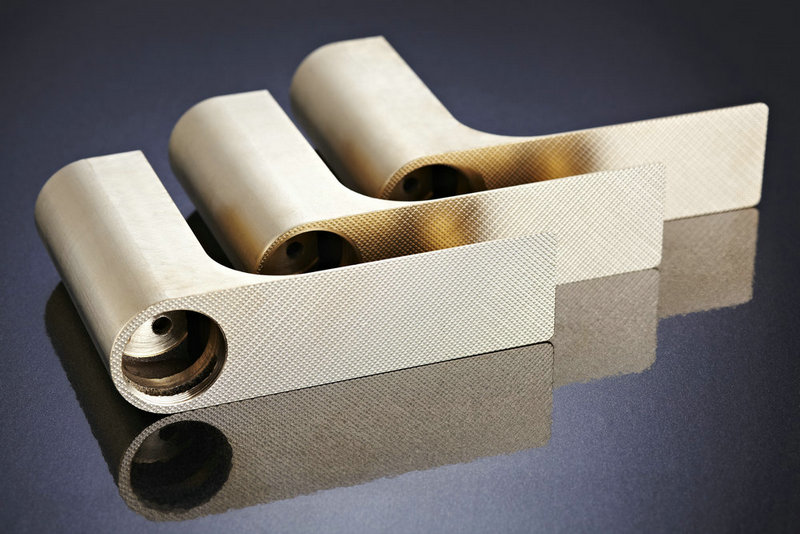
A brass faucet is traditionally preferred for its exceptional durability and pressure resistance. It performs well in long-term daily use, especially in commercial or high-traffic environments.
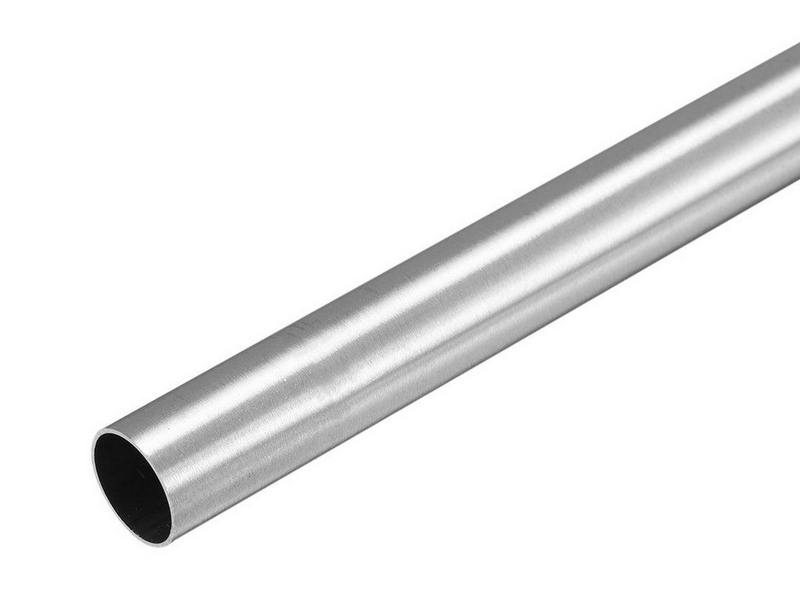
A stainless steel faucet is also durable and corrosion-resistant. However, lower-grade stainless steel may show scratches more easily, making material grade selection very important.
2. Cost and market positioning
Brass faucets usually cost more because brass is heavier and easier to machine into premium designs. They are often positioned in mid-to-high-end markets.
Stainless steel faucets are often more cost-effective, especially for modern minimalist designs. They are popular in projects where affordability and eco-friendliness are priorities.
Brass Vs Stainless Steel Faucet: What’s the Difference?
1. Material composition
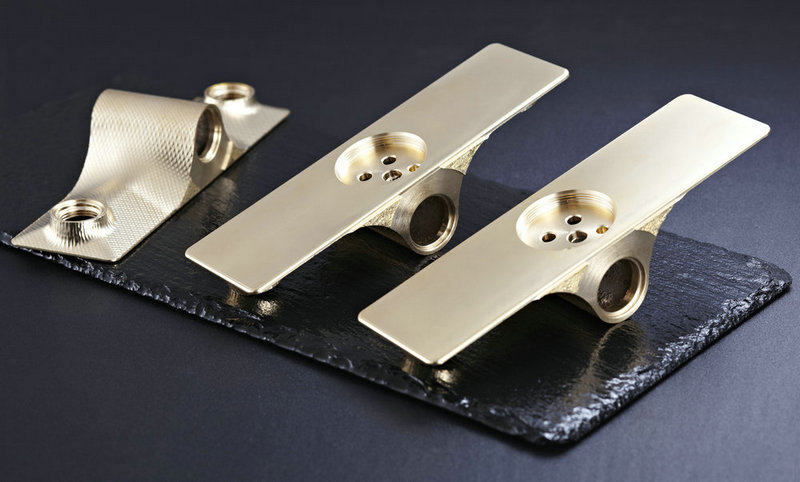
A brass faucet is mainly made from copper and zinc. H59 brass, commonly used in faucet manufacturing, provides excellent strength and casting performance.
A stainless steel faucet is usually made from 304 stainless steel, containing chromium and nickel, which improves corrosion resistance and gives a clean metallic appearance.
2. Appearance and style
Brass faucets support more surface finishes, including chrome, brushed gold, matte black, and PVD coatings. This makes them highly customizable for branding and design.
Stainless steel faucets naturally offer a sleek silver finish. They fit modern kitchens and bathrooms perfectly, especially for customers who prefer a minimalist style.
H59 Brass vs 304 Stainless Steel Faucets
1. H59 brass advantages
H59 brass is widely used in premium faucet manufacturing because it is strong, stable, and easy to cast into detailed shapes. It also handles pressure well.
Many manufacturers prefer H59 brass for OEM and ODM projects because it supports customized designs, logos, and packaging while maintaining consistent quality.
2. 304 stainless steel advantages
304 stainless steel is lead-free and highly hygienic, making it ideal for health-conscious consumers and markets with strict safety regulations.
Its corrosion resistance is excellent, especially in humid environments. For kitchen applications, a stainless steel faucet remains a very reliable choice.
Conclusion
Both brass faucet and stainless steel faucet options offer excellent durability and value. Brass is ideal for premium durability and design flexibility, while stainless steel excels in hygiene and affordability. The best choice depends on your target market, customer preference, and project requirements.
“`