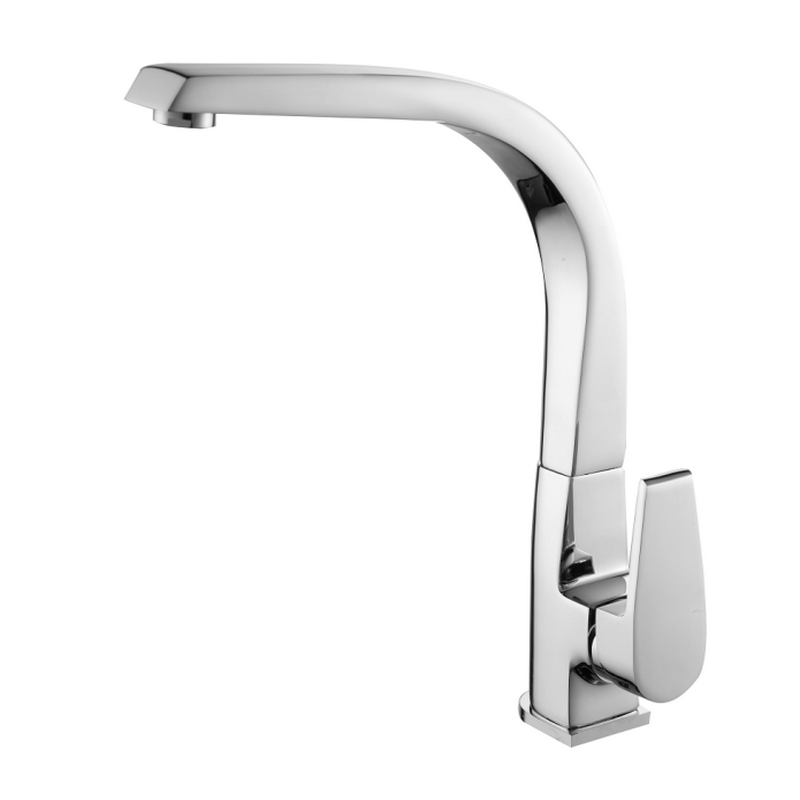
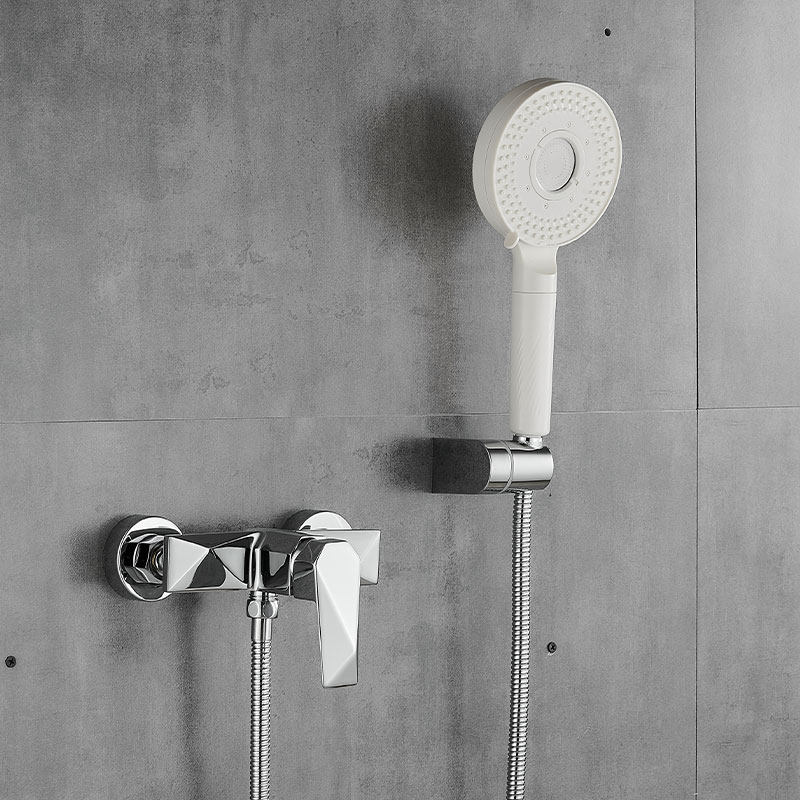
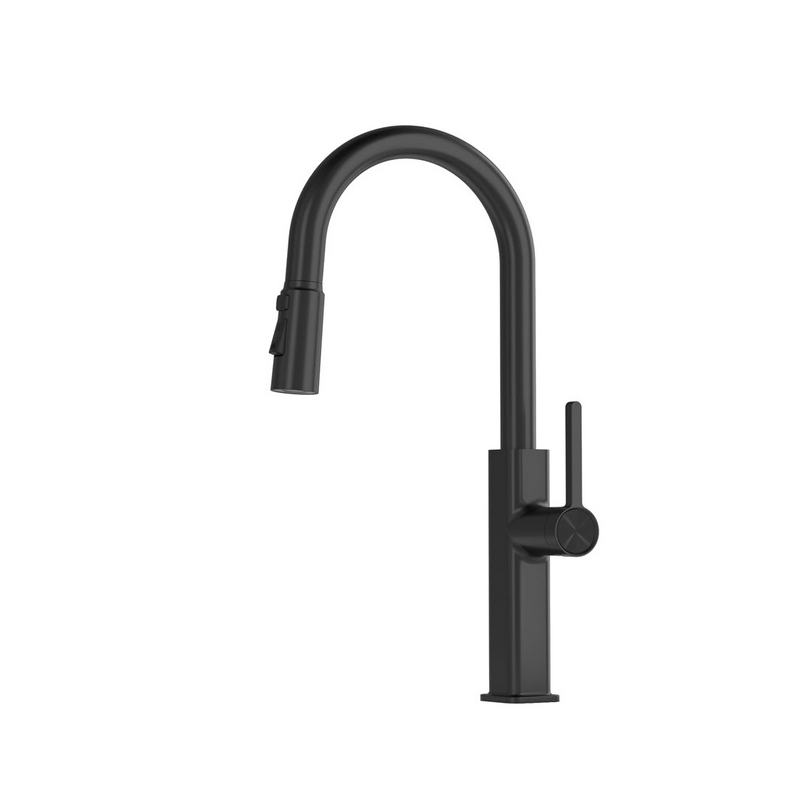
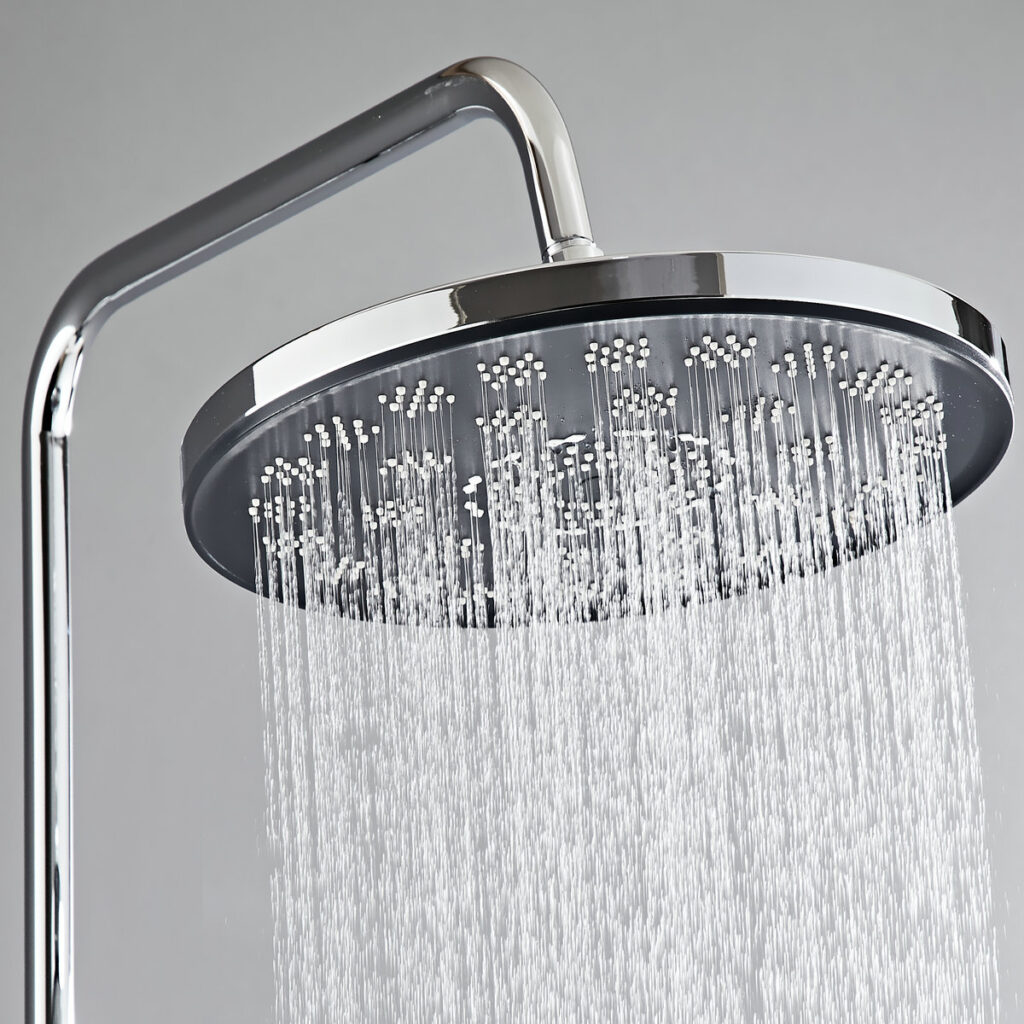
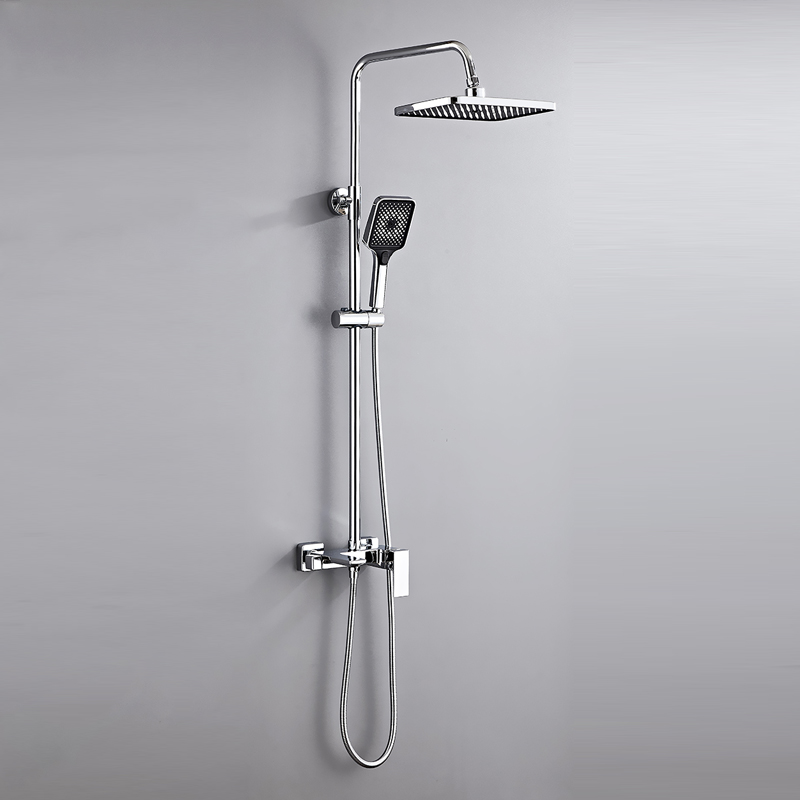
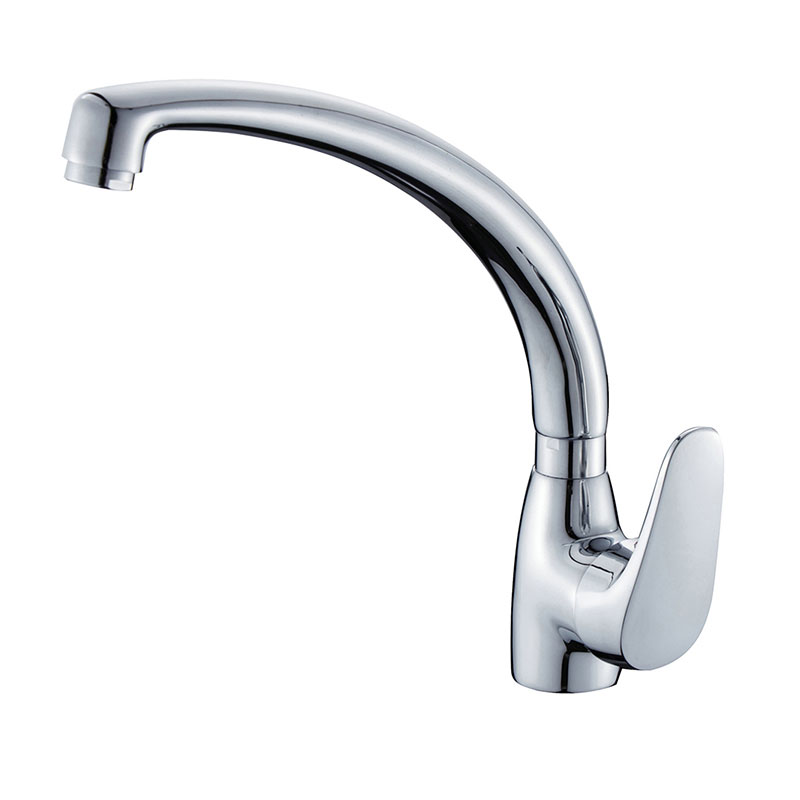
How many types of materials are there for faucets? The main ones are brass, stainless steel, zinc alloy, ceramic, and plastic, each with unique traits
Which material is the best for making faucets? Solid brass and stainless steel top the list for durability, corrosion resistance, and long-term reliability in most homes.
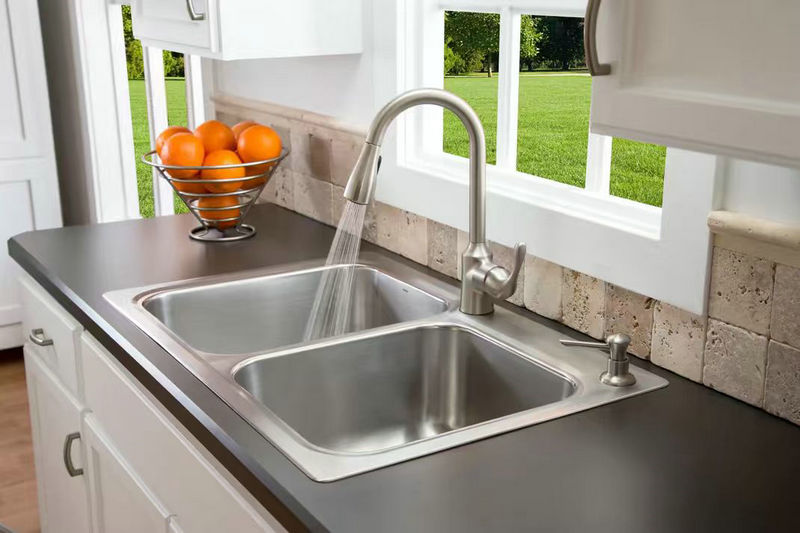
Let’s dive deeper to find your ideal faucet material.
Buyer’s guide: The best materials for bathroom faucets
Brass Faucets
Solid brass is the top choice for bathroom faucets. It’s dense, resilient, and long-lasting, with minimal leaks. Brass can be electroplated in various finishes, blending durability and style seamlessly.
Stainless Steel Faucets
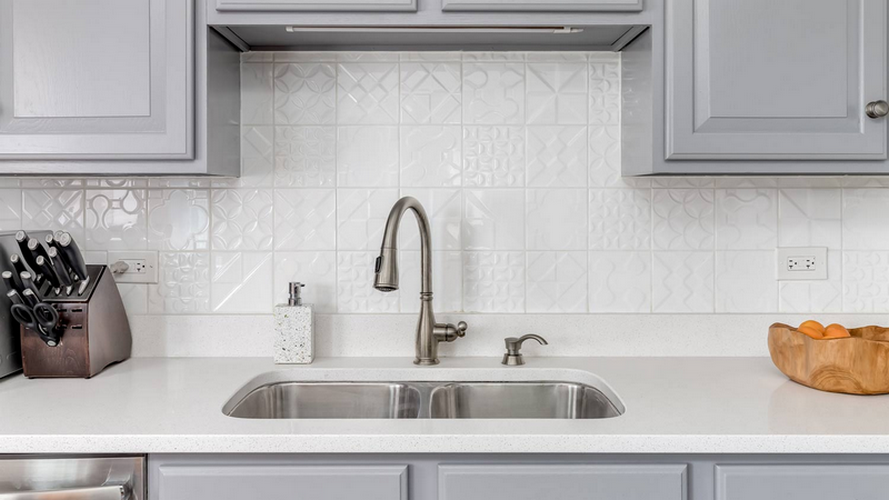
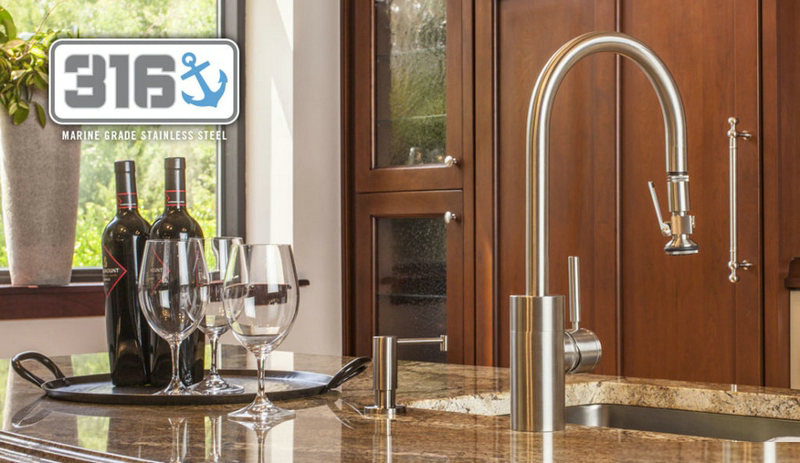
Stainless steel is sturdy and long-lasting, ideal for bathrooms and kitchens. With proper care, it can last up to 50 years. Its selection often hinges on aesthetics rather than material limitations.
What is the Most Durable Material for Faucets?
Brass Faucets
Brass is highly durable, resisting corrosion, rust, and high temperatures. High-end faucets often use solid brass for longevity, even in humid environments. 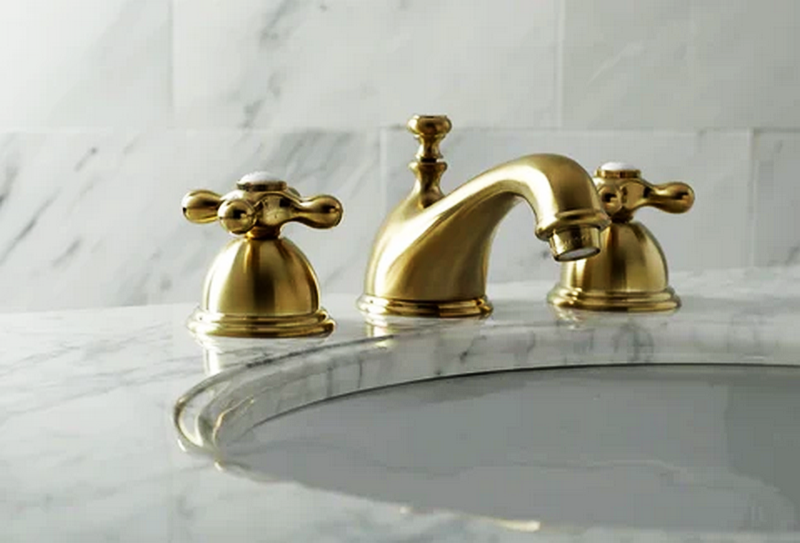
Stainless Steel Faucets
Stainless steel is strong, non-corrosive, and low-maintenance. It’s modern, durable, and easy to clean, making it a top pick for long-term use.
Hard Water Faucet: How to Choose the Right One
Brass for Hard Water
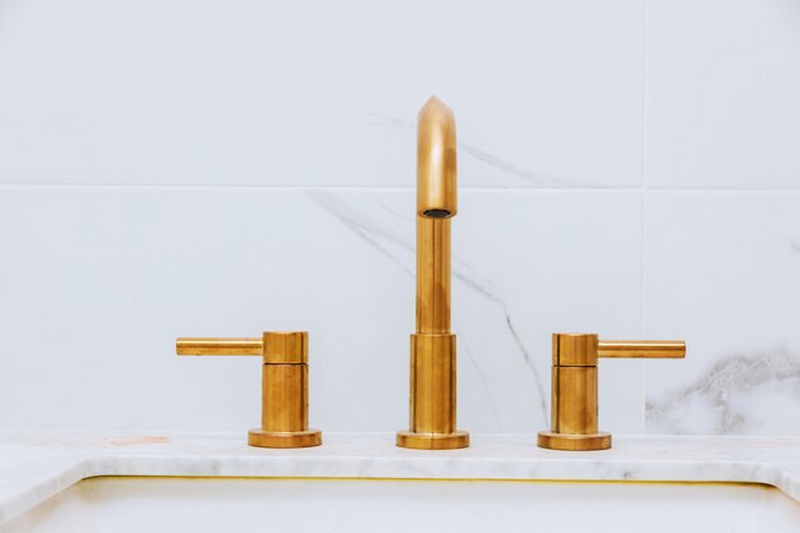
Brass excels in hard water, resisting mineral buildup and corrosion. It’s less prone to scaling, ensuring consistent performance even with calcium and magnesium-rich water.
Stainless Steel for Hard Water
Stainless steel’s chromium oxide layer fights rust and stains. It’s easy to wipe clean, making it perfect for hard water areas where mineral deposits are common.
Conclusion
Brass and stainless steel are the best faucet materials. Brass offers unmatched durability; stainless steel provides modern, low-maintenance performance. Choose based on budget, style, and water conditions.