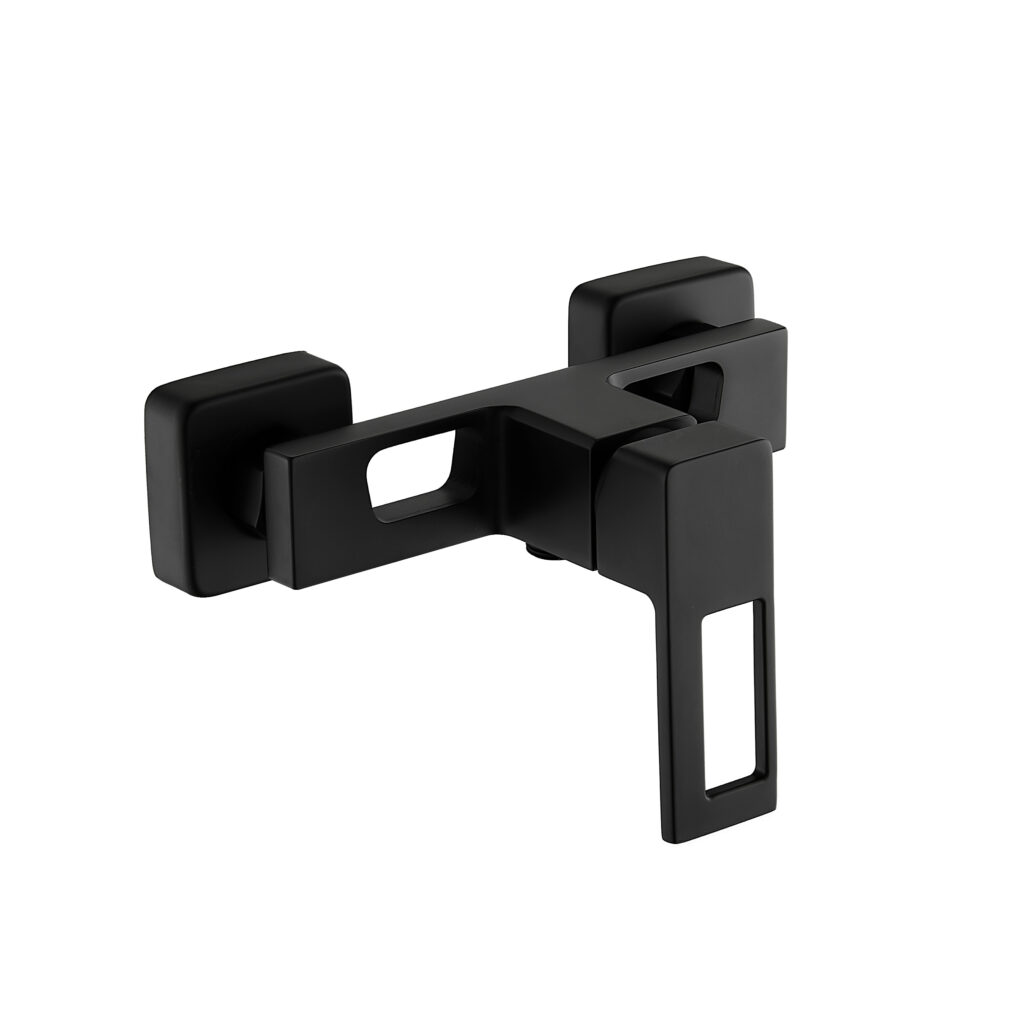
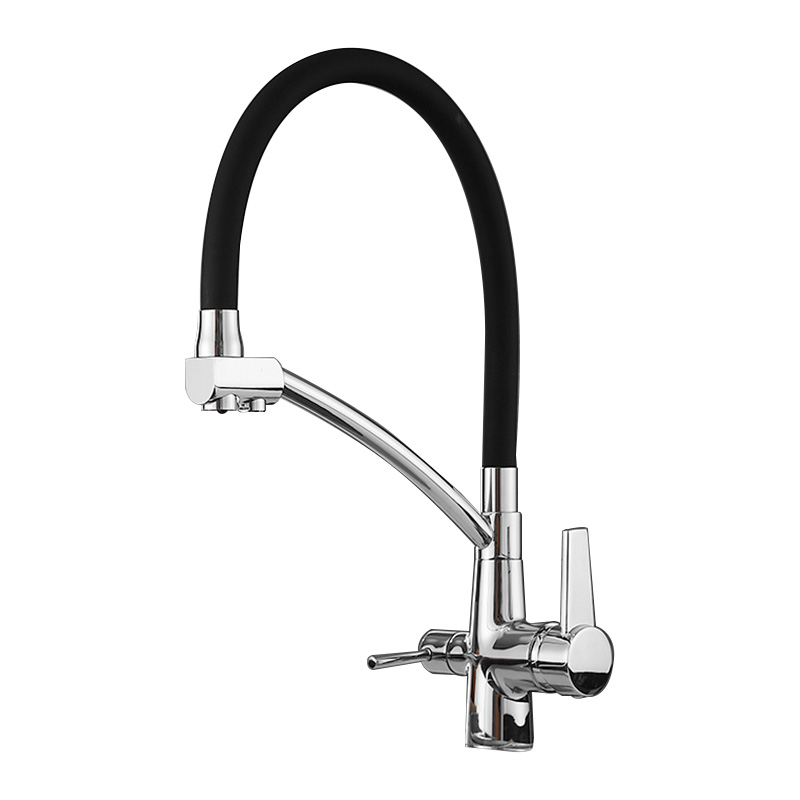
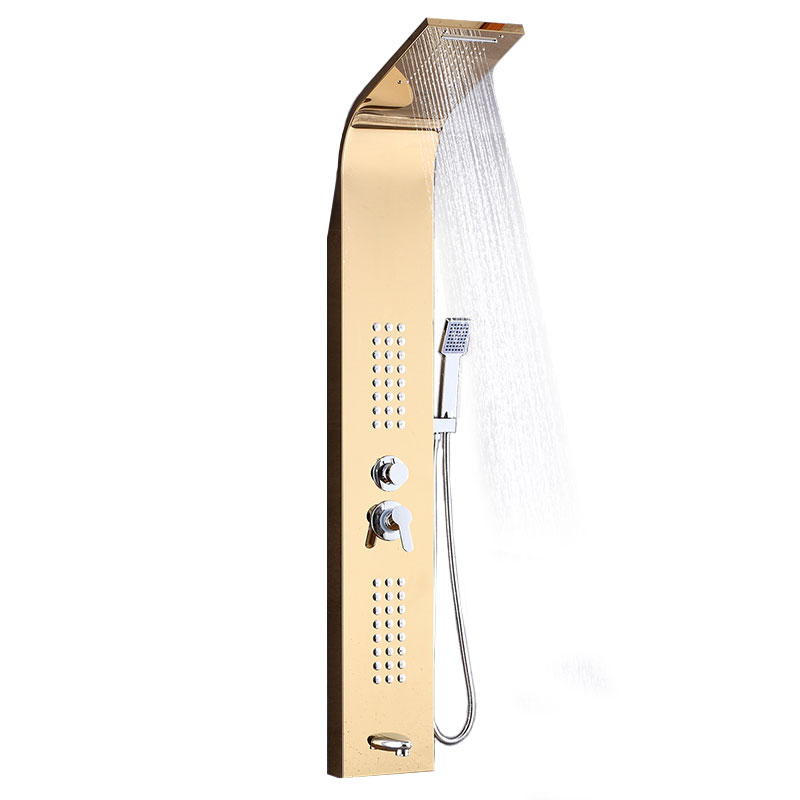
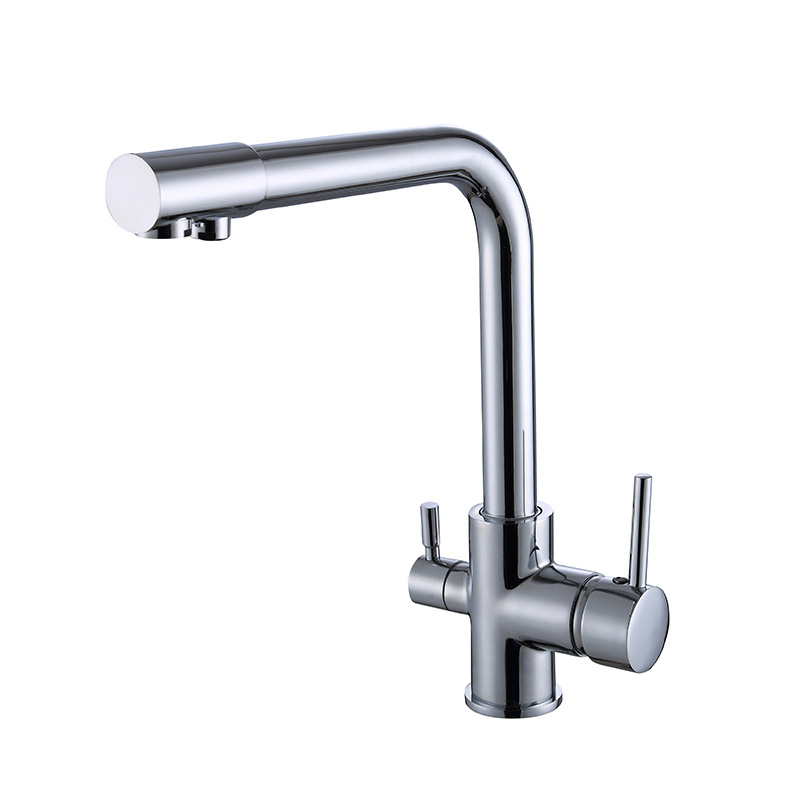
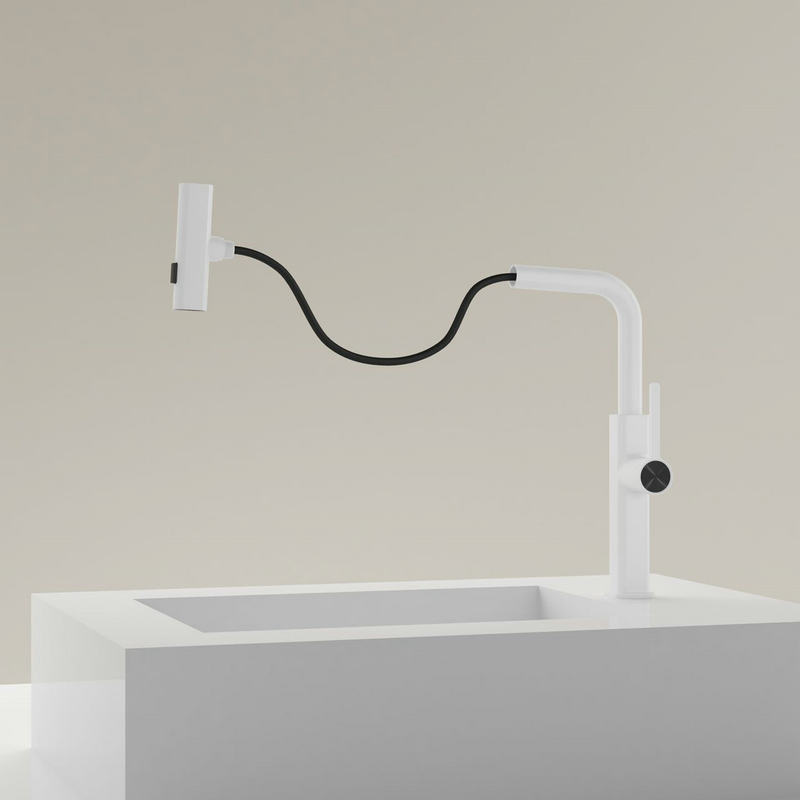
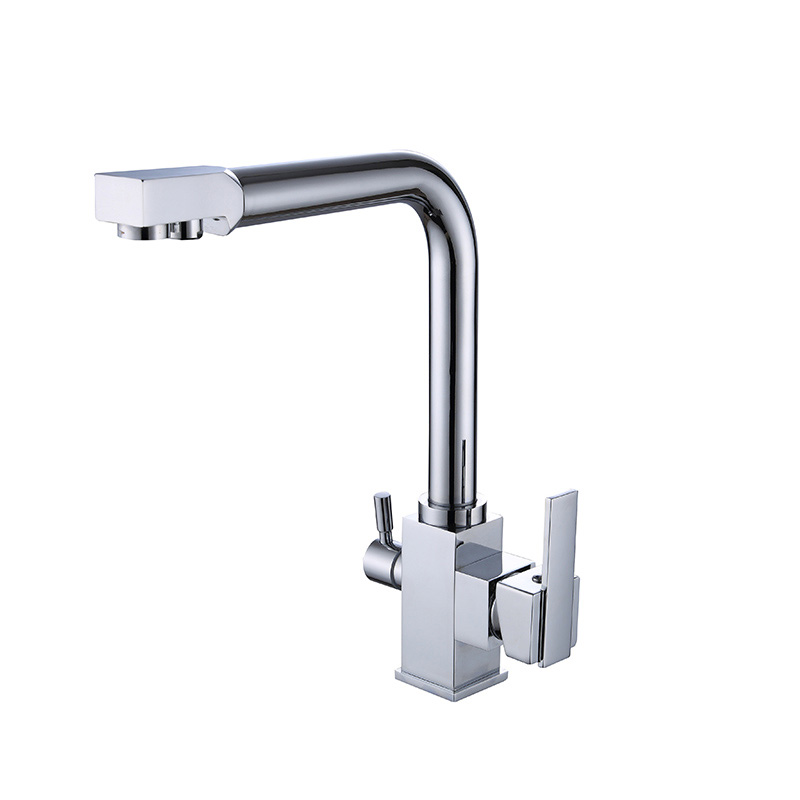
A neglected faucet can quickly become a source of hidden problems—buildup, bacteria, reduced water flow, and even costly repairs. Many homeowners underestimate how essential regular faucet care is until issues arise. The importance of cleaning and maintaining your faucet lies not only in preserving appearance but also in protecting water quality and extending the lifespan of your kitchen faucet and bathroom fixtures.
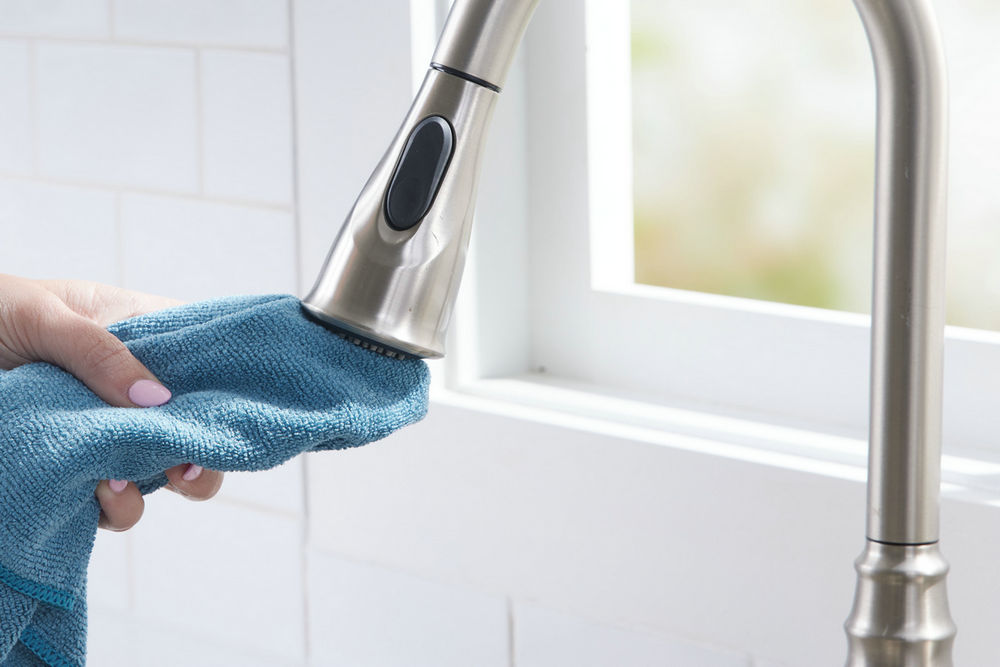
To protect the finish of your faucet, always use gentle cleaning methods and avoid abrasive materials that can scratch or dull the surface. Wipe your faucet regularly with a soft cloth and mild soap solution, then rinse and dry to prevent water spots. Avoid harsh chemicals like bleach or ammonia, as they can damage protective coatings. For mineral buildup, use diluted vinegar sparingly and rinse thoroughly. Consistent care preserves shine, prevents corrosion, and ensures your faucet maintains both functionality and visual appeal over time.
Keep reading to discover proven, practical methods to clean, protect, and extend the life of your faucet efficiently.
How to Clean a Faucet and Keep Your Water Safe?
Cleaning your faucet is not just about aesthetics—it directly impacts the safety and quality of your water. Over time, mineral deposits, bacteria, and grime accumulate on and inside your faucet, especially around the aerator where water flows through. If left uncleaned, these contaminants can affect water taste, pressure, and hygiene.
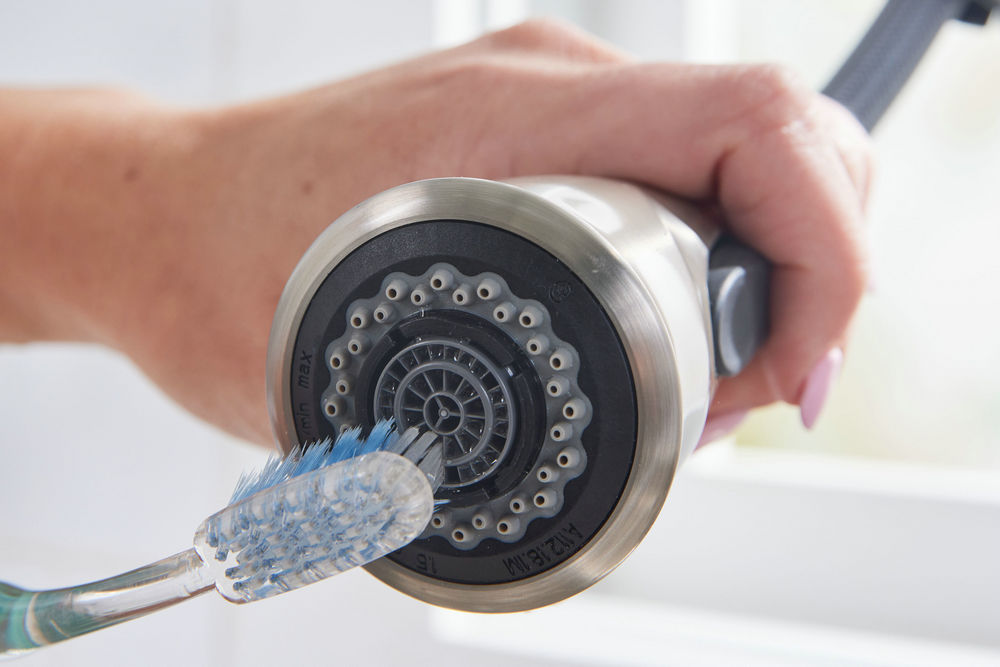
Start by turning off the water supply if you plan to deep clean. Remove the aerator carefully using your hands or a wrench wrapped in cloth to prevent scratches. Soak the aerator in a mixture of warm water and white vinegar for 30–60 minutes to dissolve calcium and lime buildup. Use a small brush, such as an old toothbrush, to remove any remaining debris before rinsing thoroughly and reinstalling.
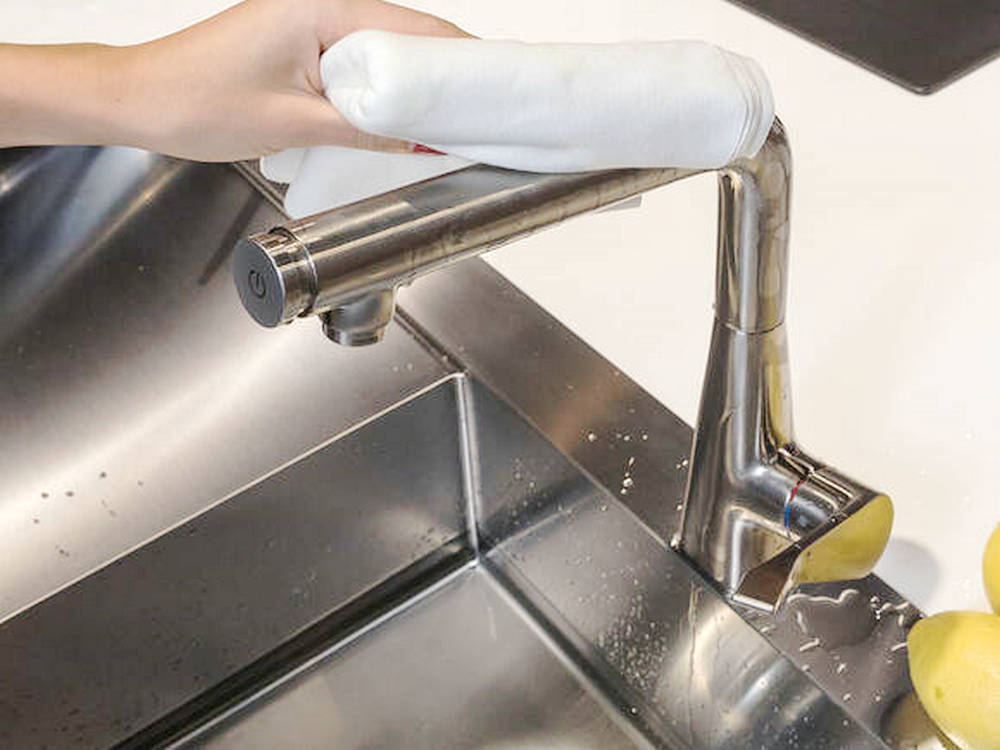
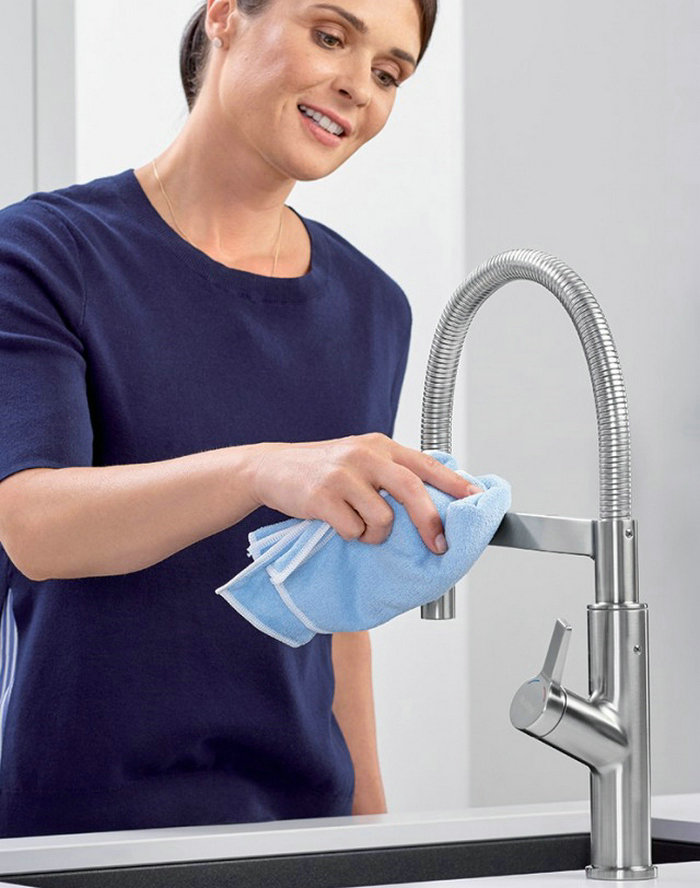
For the faucet exterior, use a soft microfiber cloth with mild dish soap and warm water. Gently wipe all surfaces, including handles and spout. Avoid steel wool or abrasive pads, as they can damage finishes like chrome, brushed nickel, or matte black. After cleaning, rinse with clean water and dry immediately to prevent water spots.
To ensure safe water, sanitize high-touch areas occasionally using a diluted vinegar solution or food-safe disinfectant. Regular cleaning—at least once a week—helps maintain both hygiene and performance. A clean kitchen faucet ensures that the water you and your family use every day remains safe and uncontaminated.
How to Clean Your Faucets and Shower Heads?
Faucets and shower heads share a common issue: mineral buildup caused by hard water. This buildup can clog nozzles, reduce water pressure, and create uneven spray patterns. Fortunately, cleaning both fixtures requires similar techniques and can be done with minimal tools.
For shower heads, one of the most effective methods is the vinegar soak technique. Fill a plastic bag with white vinegar and secure it around the shower head using a rubber band, ensuring the nozzles are fully submerged. Leave it for several hours or overnight for heavy buildup. After soaking, remove the bag and run hot water to flush out loosened debris. Use a brush to scrub any remaining deposits gently.
For faucets, especially in the kitchen, focus on areas where water exits and where hands frequently touch. Use vinegar-soaked cloths to wrap around stubborn buildup areas. Let it sit for 15–20 minutes before wiping clean. This dissolves limescale without damaging the finish when used correctly.
Pay special attention to rubber nozzles in modern fixtures. These are designed to resist buildup and can often be cleaned simply by rubbing them with your fingers. This breaks up deposits without needing chemicals.
Routine cleaning every one to two weeks prevents major buildup and ensures smooth water flow. Maintaining both your faucet and shower head not only improves performance but also enhances hygiene and prolongs the life of your fixtures.
How to Properly Maintain Your Faucets for Longevity?
Proper maintenance goes beyond cleaning—it involves consistent care practices that prevent wear, corrosion, and mechanical failure. A well-maintained faucet can last significantly longer and perform efficiently throughout its lifespan.
First, monitor for leaks. Even a small drip can indicate worn-out washers, O-rings, or cartridges. Addressing these issues early prevents water waste and avoids further internal damage. Replace faulty components promptly using manufacturer-compatible parts.
Second, check water pressure regularly. Excessively high pressure can strain internal components, leading to premature wear. Installing a pressure regulator can help maintain optimal levels and protect your kitchen faucet and plumbing system.
Lubrication is another key factor. Apply plumber’s grease to moving parts like handles and valves during maintenance checks. This reduces friction and ensures smooth operation.
Additionally, avoid using your faucet improperly. For example, do not hang heavy objects on the spout or use excessive force when turning handles. These habits can loosen fittings and damage internal mechanisms.
Water quality also plays a crucial role. If you live in a hard water area, consider installing a water softener. This reduces mineral buildup inside your faucet and extends its functional lifespan.
Finally, schedule periodic deep cleaning and inspection every few months. This proactive approach helps identify potential issues early and keeps your faucet operating like new for years.
How Many Years Should a Faucet Last?
The lifespan of a faucet depends on several factors, including material quality, usage frequency, water conditions, and maintenance practices. On average, a well-maintained faucet can last between 15 to 20 years. However, this range can vary significantly based on the type of faucet and how it is used.
High-quality kitchen faucets made from durable materials like brass or stainless steel tend to last longer than cheaper plastic alternatives. Similarly, faucets with ceramic disc valves generally outlast those with compression mechanisms due to reduced wear and tear.
Usage also plays a major role. A kitchen faucet, which is used multiple times daily, may experience more wear than a bathroom faucet. Proper maintenance, including regular cleaning and timely repairs, can significantly extend its lifespan.
Water quality is another critical factor. Hard water can accelerate mineral buildup, leading to clogs and internal damage. Installing filtration or softening systems can mitigate these effects and prolong the faucet’s life.
Signs that your faucet may need replacement include persistent leaks, corrosion, reduced water pressure, and outdated design. While repairs can fix minor issues, repeated problems often indicate it is more cost-effective to replace the unit.
Ultimately, investing in a high-quality faucet and maintaining it properly ensures you get the maximum return on your investment while enjoying reliable performance.
الخاتمة
Regular cleaning and proper maintenance are essential to extend the life of your faucet. By adopting simple habits and preventive care, your kitchen faucet can remain efficient, hygienic, and visually appealing for many years.