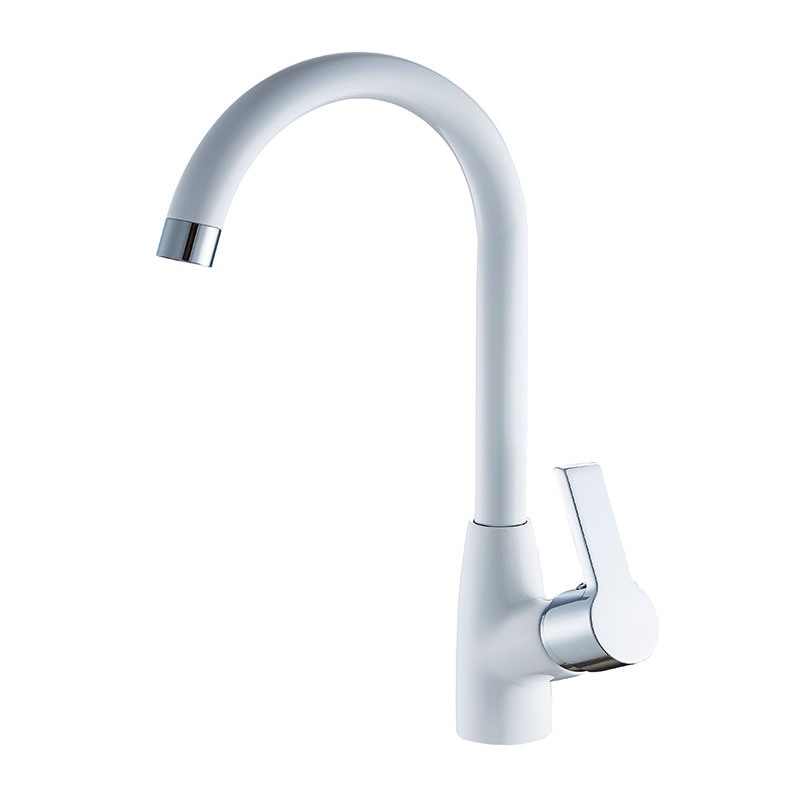
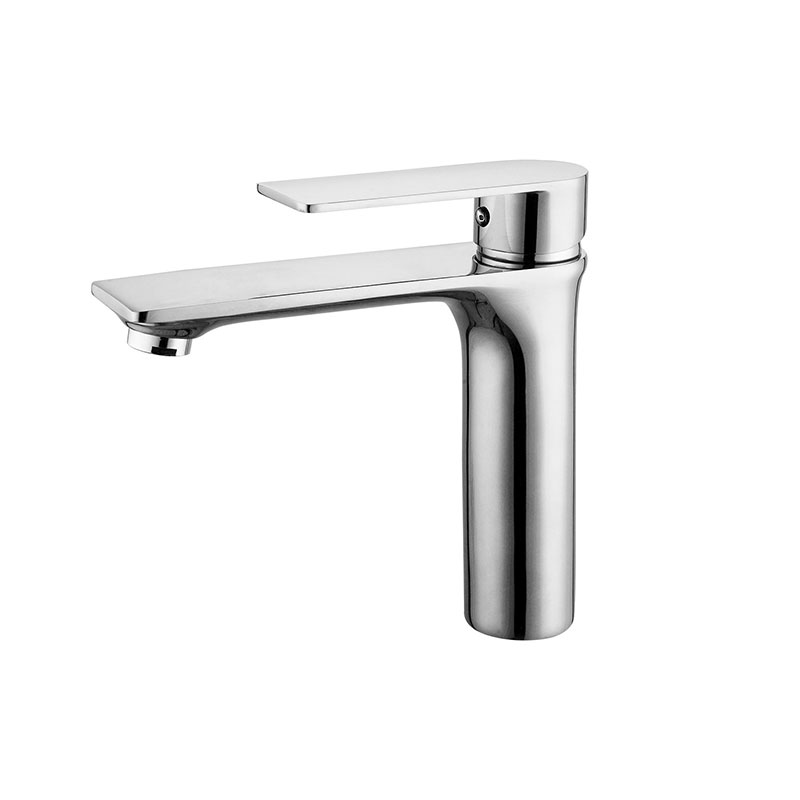
What is water saving faucet?
Many households waste large amounts of water daily without realizing it. Traditional faucets often deliver more water than necessary, increasing utility bills and environmental impact. A water-saving faucet, equipped with a faucet aerator and flow-control technology, helps reduce water consumption while maintaining adequate pressure and comfort. By optimizing water flow, these fixtures provide a simple, cost-effective solution to conserve water, lower expenses, and support sustainable living without compromising daily convenience.

The importance of water saving:
Water-saving faucets play a crucial role in conserving freshwater resources, reducing household water bills, and minimizing environmental impact. By limiting unnecessary water flow and optimizing pressure through advanced faucet aerator designs, these fixtures help households use water more efficiently without sacrificing comfort. Widespread adoption of water-saving technologies can significantly reduce water scarcity, lower energy consumption for water heating, and contribute to sustainable development, making them an essential investment for modern homes.
Continue reading to discover how faucet aerators work, how to install and maintain them, and how they can transform your home’s water efficiency.

What Is a Faucet Aerator? Purpose, Cleaning, and Replacing?
Understanding the Function of a Faucet Aerator
A faucet aerator is a small device attached to a faucet spout that mixes air with water to regulate flow, reduce splashing, and maintain consistent pressure. Its main purpose is water conservation: while traditional faucets may use 2.2 GPM or more, modern aerators reduce flow to 0.5–1.5 GPM without noticeable performance loss, lowering water and energy bills and saving thousands of gallons annually.
Types of Faucet Aerators and Their Applications
There are several types of faucet aerators designed for different needs. Standard aerators provide balanced flow and splash control for kitchen and bathroom sinks. Laminar flow aerators produce a clear, non-aerated stream for hygienic environments, while spray aerators create a soft, shower-like flow for comfort and cleaning. Low-flow models prioritize water conservation by limiting output without reducing pressure, and some advanced designs include flow restrictors, swivel heads, or dual-function modes. Choosing the right aerator ensures efficient performance and suitability for specific uses.

How to Clean a Faucet Aerator Properly
Regular cleaning of a faucet aerator is essential to maintain consistent water flow and prevent mineral buildup. Over time, sediment and limescale can reduce pressure and efficiency. Cleaning involves removing and disassembling the aerator, soaking its parts in vinegar or a descaling solution, then rinsing and gently brushing them. Reassemble carefully, ensuring proper alignment of the mesh screen and flow restrictor. Performing this maintenance every few months helps extend the aerator’s lifespan and maintain optimal water-saving performance.
When and Why to Replace a Faucet Aerator
Faucet aerators may need replacement despite regular cleaning due to wear, corrosion, or damage. Signs include low water pressure, uneven spray, or visible cracks. Installing a modern high-efficiency aerator improves flow and water conservation. Replacement is inexpensive and easy. A quality aerator ensures durability, consistent performance, and supports cost-effective household water-saving efforts.
How To Replace Kitchen Faucet Aerator Easy Simple
Preparation and Required Tools
Replacing a kitchen faucet aerator is quick and simple, usually taking only minutes. Gather an adjustable wrench, soft cloth, and possibly pliers, and protect the faucet finish during removal. Ensure you have a compatible replacement with correct thread size and type (male or female). Many modern aerators include adapters for easy installation.
Step-by-Step Replacement Process
Wrap a soft cloth around the faucet tip to prevent damage, then turn the aerator counterclockwise with a wrench or pliers to remove it, using gentle rocking if stuck. Clean the threads after removal. Install the new aerator with the gasket seated, screw it on clockwise by hand, then lightly tighten without over-tightening.
Effective Cleaning Methods
Soak aerator parts in white vinegar for 30–60 minutes to dissolve mineral buildup, extending time if needed for heavy deposits. Gently scrub with a soft brush, then rinse thoroughly. Reassemble and reinstall the aerator, then test water flow. Regular cleaning restores pressure and extends aerator lifespan while maintaining water efficiency.
Conclusion
Water-saving faucets and faucet aerators offer a practical, affordable solution to reduce household water consumption. Through proper selection, installation, cleaning, and replacement, homeowners can achieve significant savings, enhance daily convenience, and contribute to sustainable resource management, making these simple upgrades both economically and environmentally beneficial.